
AI & Education - Task Force Members
Examines how AI tools reshape education systems, teaching practice, and learning outcomes, while identifying governance priorities and ethical redlines.
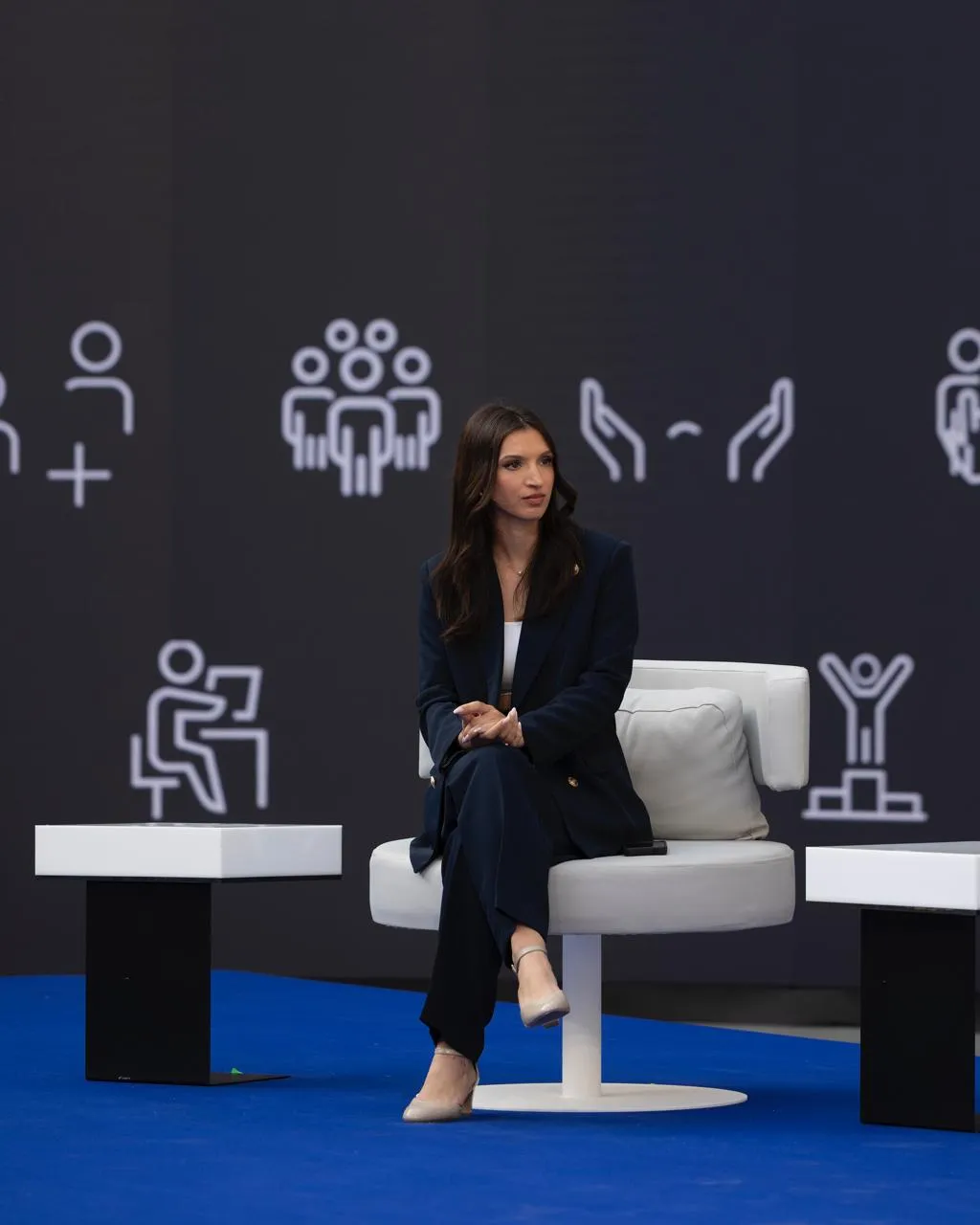
Dr. Radhika Iyengar, Ph.D. (co-Chair)
Dr. Radhika Iyengar, Ph.D. is an Associate Research Scholar and the Director of Education at the Center for Sustainable Development, Climate School, Columbia University. She has over 15 years of experience in international education development. She has recently co-authored two books, Climate Change Education, published by Columbia University Press (2023), and Grassroots Approaches for Sustainable Development: A Comparative Study of USA and India, published by Bloomsbury Press (2023). Dr Iyengar recently received an Early Career award from Teachers College, Columbia University, for her exceptional contribution to the field of Sustainability and Education. Dr Iyengar is the Secretariat Chair for Mission 4.7, which includes organizations such as UNESCO, the Ban Ki-moon Center, the UN Sustainable Development Solutions Network, and others. She sits on various non-profit Boards such as the prestigious Comparative and International Education Society, Alliance for New Jersey’s Environmental Education, CivicStory and PAL Network in Kenya, Africa. Her favorite is volunteering with Millburn for Climate Action group in her town in New Jersey.
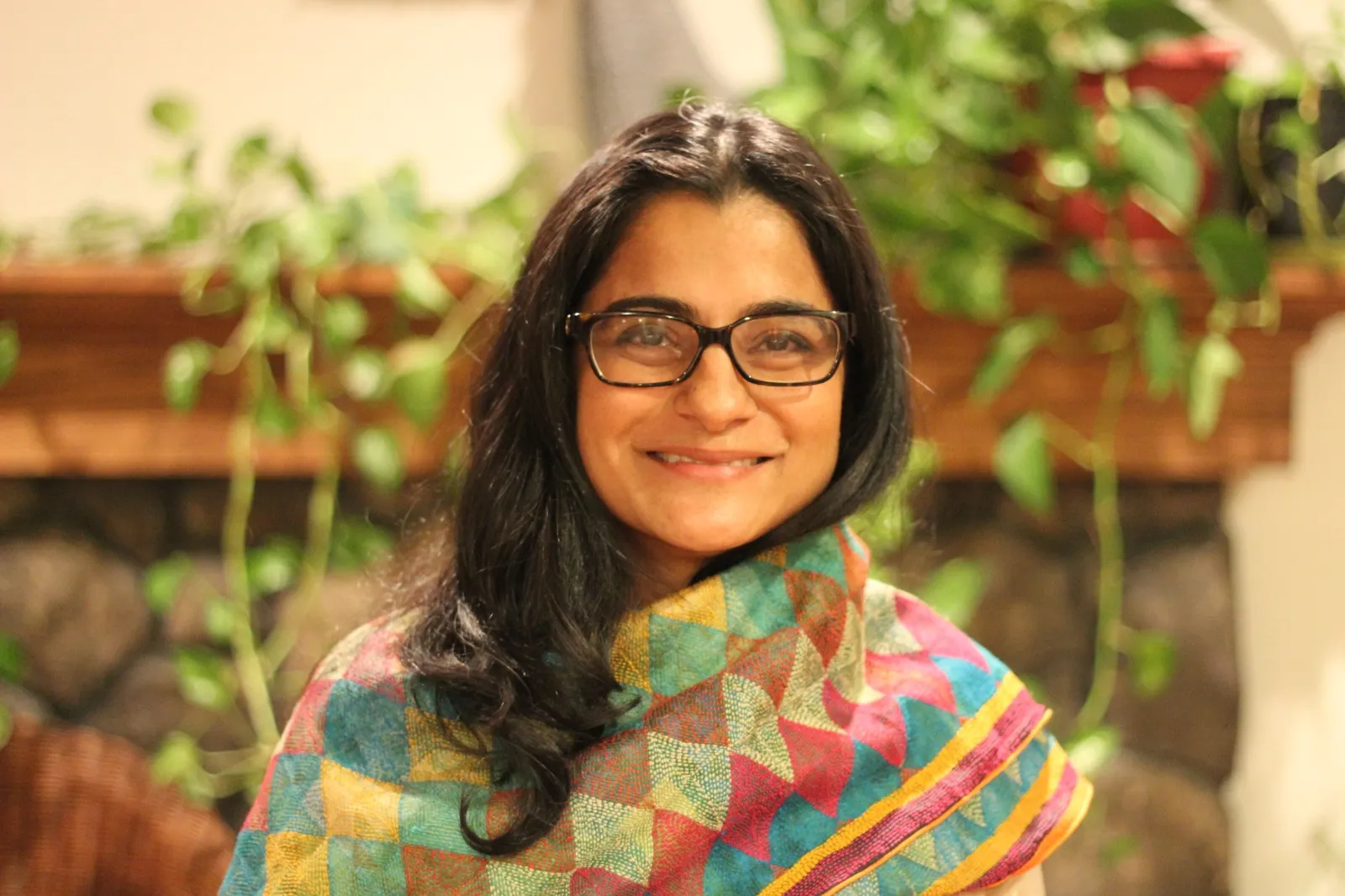
Filipe Medon (co-Chair)
Filipe Medon is holds a PhD and Master in Civil Law from the University of the State of Rio de Janeiro (UERJ). Civil Law Professor at FGV Rio Law, where he is also a researcher at the Center for Technology and Society (CTS-FGV). Guest lecturer in postgraduate and extension courses at several institutions, currently serves as the Coordinator of Digital Law at the OAB/RJ's ESA. Member of the "AI in Education" Taskforce of the "AI and the Future of Work" Project at Columbia University, the Brazilian Institute for Civil Liability Studies (IBERC), the Brazilian Association for Data Governance (govDADOS), and the Data Protection and Privacy Commission of the OAB/RJ, where he coordinates Data Protection and AI. He was part of the Brazilian Federal Senate’s Commission of Jurists responsible for drafting the Brazilian AI Bill. His works have been quoted over 300 times by numerous international media outlets, including TIME Magazine, The Washington Post, CNN and Associated Press. Founding member of UERJ’s Laboratory of Law and AI (LabDIA). Lawyer and consultant. Author of the book "Artificial Intelligence and Civil Liability: Autonomy, Risks, and Solidarity"

Dr. Antoine Blondelle (former co-Chair)
Dr. Antoine Blondelle is the Director of ESPAS Business and Biosciences and ESTICE International Management, two Business Schools attached to the Université Catholique de Lille (UCL). ESPAS and ESTICE provide Bachelor and Master programs from the UCL. Students learn about business and management with a special focus on environmental and social impact. He has extensive experience as a teacher and a head of pedagogy involved particularly in study monitoring, personal and professional development through internships and upskilling, faculty coordination, project monitoring, and educational engineering. He holds a PhD in Education from the University of Sherbrooke. His research focusses on cognitive psychology and motivation. Furthermore, he is a member of the Lille Interdisciplinary Transitions Laboratory (LITL Research Laboratory) and a member of the peer review committee of Revue Internationale de Pédagogie de l’Enseignement Supérieur (RIPES). He’s also a strategic advisor on pedagogical matters for the UCL.

Payal Arora
Payal Arora is a Professor of Inclusive AI Cultures at Utrecht University and co-founder of FemLab, a feminist futures of work initiative and the InclusiveAI Lab, a debiasing data initiative. She is a leading digital anthropologist with two decades of experience studying Global South youths and their informal learning practices with digital media, and the impacts of such understandings on designs and policies for the majority world. She is the author of award-winning books including ‘The Next Billion Users’ with Harvard Press. Forbes called her the ‘next billion champion’ and the ‘right kind of person to reform tech.’ 150 international media outlets have covered her work including The BBC, Financial Times, WIRED, and The Economist. She sits on several advisory boards including for the UN EGOV, LIRNE-Asia, and UNICEF-UNESCO. Her new book ‘From Pessimism to Promise: Lessons from the Global South on Designing Inclusive Tech” is out with MIT Press. She is Indian, American, and Irish, and currently lives in Amsterdam.
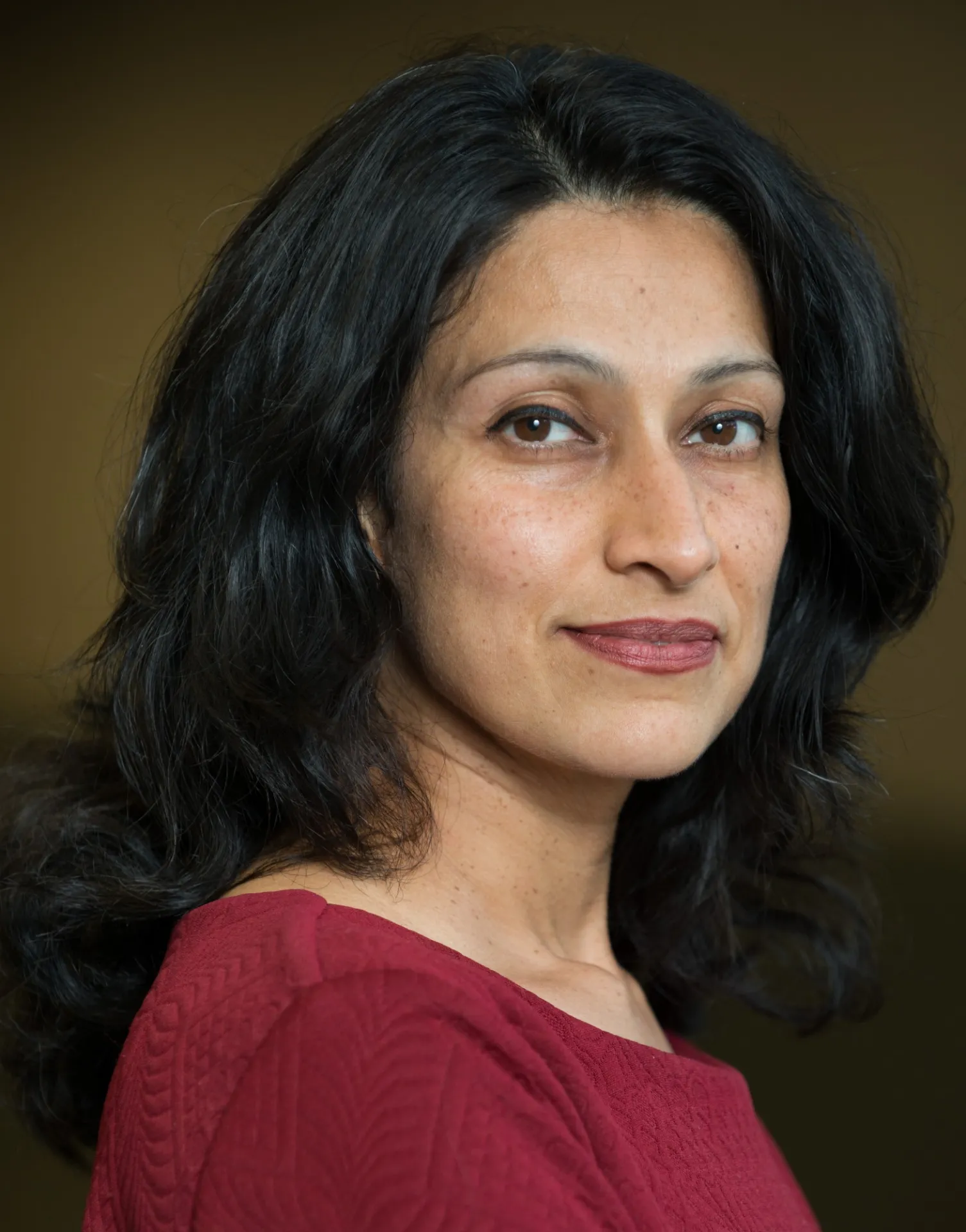
Dr. Maria Botsiou, PhD
Dr. Maria Botsiou is a researcher at the Peace Journalism Laboratory of Aristotle University of Thessaloniki, working on media literacy among young people within the field of continuing education and lifelong learning. She is a postdoctoral researcher in the sociology of social media at the University of Crete and teaches at the Hellenic Open University. She holds a PhD in Lifelong Learning and Information and Communication Technologies (ICTs), where her research focused on transformative learning for sustainability and the qualitative dimensions of the digital divide. Her interdisciplinary academic background bridges agricultural sciences, journalism and media studies, and education, supported by extensive university teaching experience. A scholar of the Greek State Scholarships Foundation (IKY) for both her postgraduate and doctoral studies, she has developed internationally recognized research, with selected works included in the collections of the Food and Agriculture Organization (FAO) of the United Nations and the National Agricultural Library (USDA). Her research interests include continuing education and lifelong learning, media literacy, digital transformation, and the societal implications of contemporary media environments. She is also an active member of several international scientific associations.
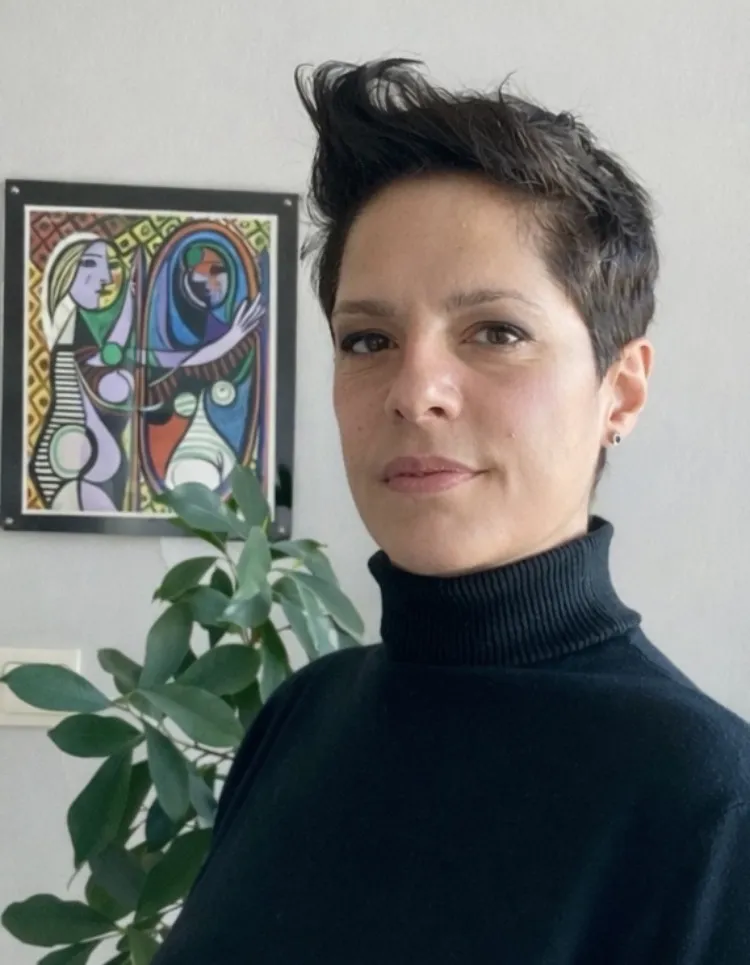
Dr. Mia Chin, Ph.D.
Dr. Mia Chin is an education and international development leader with over a decade of experience working at the intersection of policy, systems reform, and innovation. She has collaborated with universities, the United Nations, USAID, and nonprofit organizations across Southeast Asia and the Middle East. She holds a Master of Public Administration from Columbia University’s School of International and Public Affairs, and a Master of Philosophy and Doctorate from Columbia University’s Teachers College.
Dr. Chin previously advised USAID’s largest global education portfolio, where she led early-grade literacy reforms that doubled national literacy rates and designed and managed $25–60 million programs to strengthen education systems, infrastructure, and learning outcomes. Her work has focused on scaling evidence-based reforms, translating research into policy, and building cross-sector partnerships.
She is currently a UNICEF Global Thought Fellow, an advisor to nonprofits, and a partnership development consultant, with a growing focus on the implications of artificial intelligence for education systems, workforce development, and global equity.

Prof. Alexander Cooley
Prof. Alexander Cooley is the Claire Tow Professor of Political Science and Vice Provost for Research and Academic Centers at Barnard College, Columbia University. From 2015-21 he served as the 15th Director of Columbia University’s Harriman Institute. Professor Cooley’s research examines how international actors have influenced the governance, sovereignty, and security of the post-Communist states, with a focus Central Asia and the Caucasus. In addition to his academic publications, Professor Cooley’s commentaries have appeared in Foreign Affairs, New York Times, and Washington Post and and he serves on a broad range of national and international working groups, non-for-profit boards, and advisory committees. He has testified for the US Congress, UK Parliament and the Parliament of Canada on regional issues related to his research.
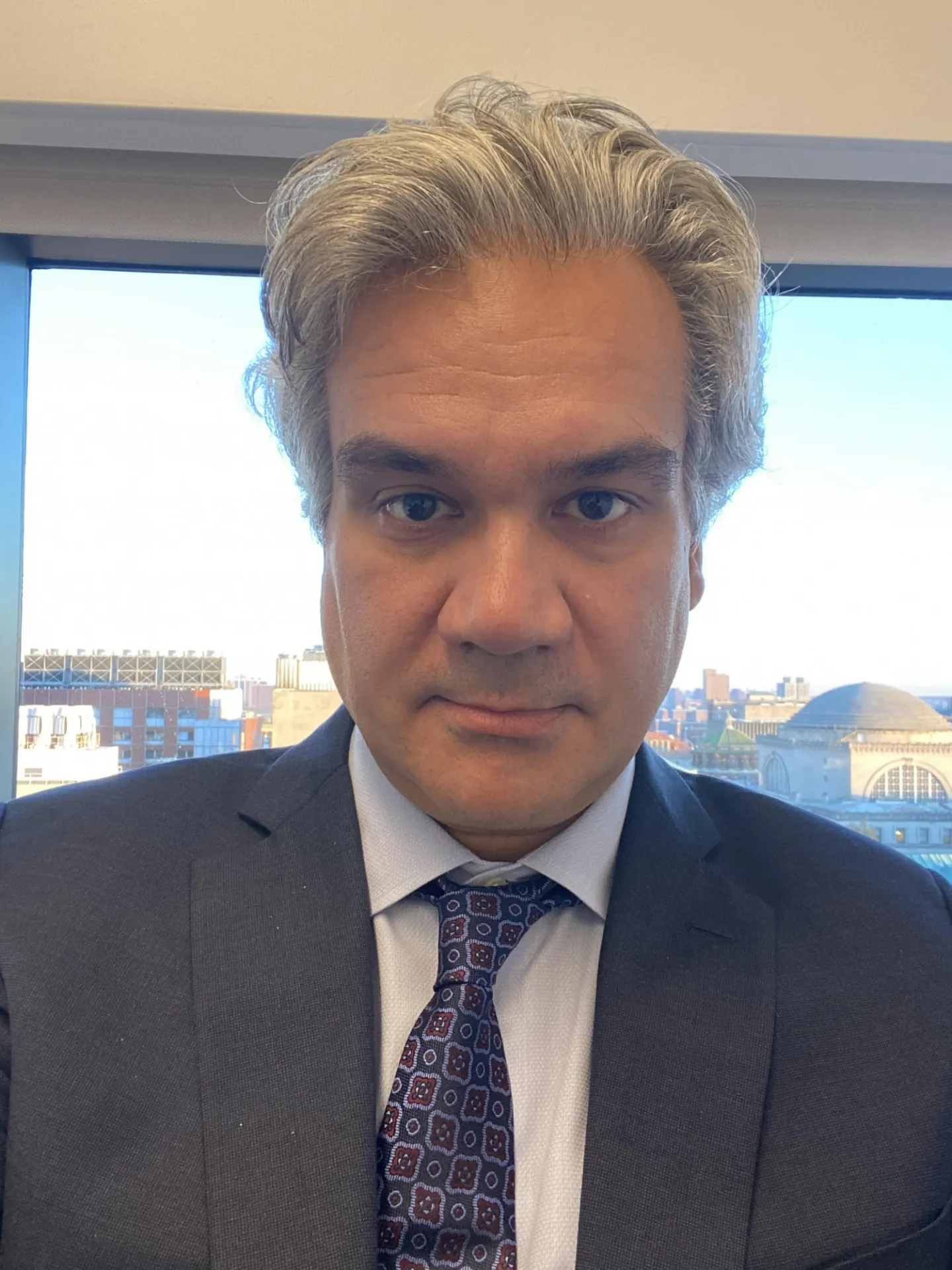
Ioanna Georgia Eskiadi
Ioanna Georgia Eskiadi is a Ph.D. candidate in Journalism and Mass Communication at Aristotle University of Thessaloniki and a researcher at the Peace Journalism Laboratory. Her research focuses on immersive journalism and emerging technologies (XR, AI, blockchain, metaverse), examining their impact on news media, audience engagement, and ethical practices. She has contributed to EU- and NATO-funded projects on disinformation, media literacy, and crisis communication, with her research published and presented internationally. Her work has been recognized through prestigious fellowships and scholarships, including the NATO 2030 Global Fellowship, the Portulans Institute Fellowship, the Konrad Adenauer Stiftung Scholarship, and, most recently, two doctoral research scholarships from the A. G. Leventis Foundation and the Foundation for Education and European Culture (ΙΠΕΠ). Active in teaching, academic service, and digital media training, she has delivered lectures and workshops across Europe and beyond. Fluent in six languages, she is committed to advancing innovation in journalism and promoting inclusive, ethical communication practices
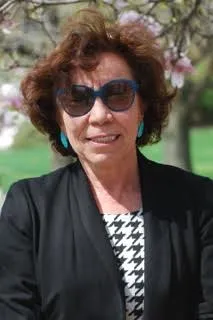
Dr. Esther E. Gottlieb, Ph. D
Dr. Esther E. Gottlieb, Ph. D., an International Education Specialist, joined Comparative and International Education during the heyday of “development education”. She has experience training teachers at Kibbutzim College of Education in Tel Aviv. For over a decade, she was senior advisor for international affairs at Ohio State University, teaching, researching internationalization, Area Studies Centers’ education outreach, and program evaluation. Her published work includes Identity Conflicts: Can Violence be Regulated? (with J. Craig Jenkins) and Education and Social Change in Korea (with Don Adams); “The Academic Research-Teaching Nexus in Advanced Industrialized Countries,” and “The Discursive Construction of Knowledge: The Case of Radical Education Discourse,” Her historical and theoretical explorations of reforms and their implementation have led her to follow the development of AI in education settings.
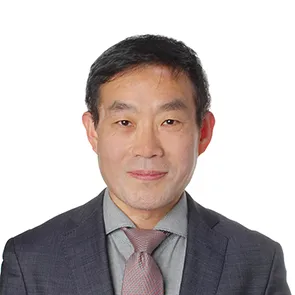
Dr. Fengchun Miao
Dr Fengchun Miao is the Chief of the Unit for Technology and Artificial Intelligence (AI) in Education at the Education Sector, UNESCO Headquarters in Paris, he is also a Professor in AI and Education. He is leading UNESCO’s programs on technology and AI in education including the programs on guidance for generative AI in education, AI competency frameworks for school students and teachers, the report on AI, and the Futures of Learning. Highlights of his achievements include leading the organization of 4 editions of international forums on AI and education (2019, 2020, 2021, and 2022) and the development and adoption of the Beijing Consensus on AI and Education; the launch and continuous organization of Mobile Learning Week and Digital Learning Week of UNESCO for 12 years. He is the leading author of over 30 important publications of UNESCO in various domains of digital education with eight of them ranked top 50 by download among all UNESCO
publications. He has coordinated the support for more than 70 countries in the formation of national digital education policies.
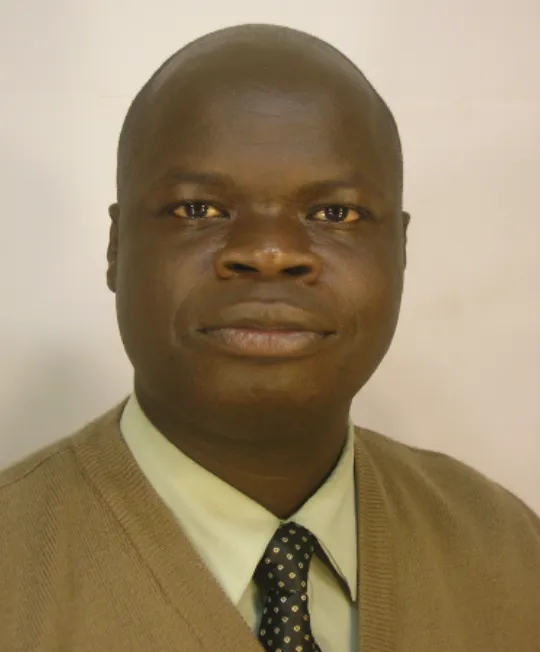
Dr. John Otieno Oredo
Dr. John Otieno Oredo Lectures in the Departments of Information Science and Management Science & Project Planning at the University of Nairobi (UoN) and previously served as a Research Associate at the Kenya Education Network (KENET) and Research Fellow at the Centre for Intellectual Property and Information Technology Law (Strathmore University). He holds a PhD degree in Business Administration specializing in Strategic Information Systems (University of Nairobi), MSc. IT (Strathmore University); and B.Ed. (Moi University). Dr. Oredo is trained in scientific communication and publishing; E-Learning Course Design (ETSU, PASGR) and Faculty Support in Online Course Development (EDUCAUSE). He is a Certified Project Management Professional (PMP), Certified in Governance of Enterprise IT (CGEIT), Big Data Engineer (IBM Certified) and Artificial Intelligence Analyst (IBM Certified). He also undertook a training in Supply Chain Resilience Management (Kuhne Logistics University-Germany). Dr. Oredo has published in refereed journals and is a reviewer of several ranked Information Systems journals and currently serves as a Senior Editor for the Information Technology & People Journal. Dr. Oredo and collaborators has attracted research grants from the British Council, Kuhne Foundation, DAAD, European Union, British Institute in Eastern Africa (BIEA) and SSHRC (Canada). Dr. Oredo is currently organizing a Summer Institute in Computational SocialScience (SICSS). He is an active member of several local and international professional bodies: ISACA, KIM, CSK, PMI, and AIS (President AIS Eastern Africa Chapter).
Dr. Apurva Narayan
Dr. Apurva Narayan is an Assistant Professor jointly appointed in the Department of Computer Science and the Department of Electrical and Computer Engineering at Western University, Canada. With over 14 years of academic and industrial research experience, Dr. Narayan specializes in data science, machine learning, and software engineering, with a focus on trustworthy and secure AI solutions for real-world applications. He is the founder and director of the Intelligent Data Science Lab, mentoring a diverse group of over 65 students since 2019 and currently supervising 18 graduate and undergraduate researchers.
Dr. Narayan has secured over CAD 8 million in research funding across 21 grants, authored more than 90 peer-reviewed publications in prestigious venues, and filed a U.S. patent. His work has received global recognition, including an invitation to the G20 Summit for contributions to sustainability. He has collaborated with leading industry partners such as General Motors, MDA, and Scotia Bank, translating his research into impactful real-life systems.
As a passionate educator, Dr. Narayan has developed new courses on Dependable AI Systems and Data Science for Cyber-Physical Systems and revamped the Reinforcement Learning curriculum at Western University. Recognized for his excellence in teaching, he has been celebrated by students as one of the greatest educators. Dr. Narayan is also committed to equity, diversity, and inclusion, embedding these principles into his research and teaching practices.
Dr. Narayan’s contributions to the field have been honored with the Young Systems Scientist Award and the Raj Kumar Varshney Award by the Systems Society of India. His work embodies his philosophy of “smart innovation through collaboration,” driving impactful research and fostering meaningful industrial and academic partnerships globally.
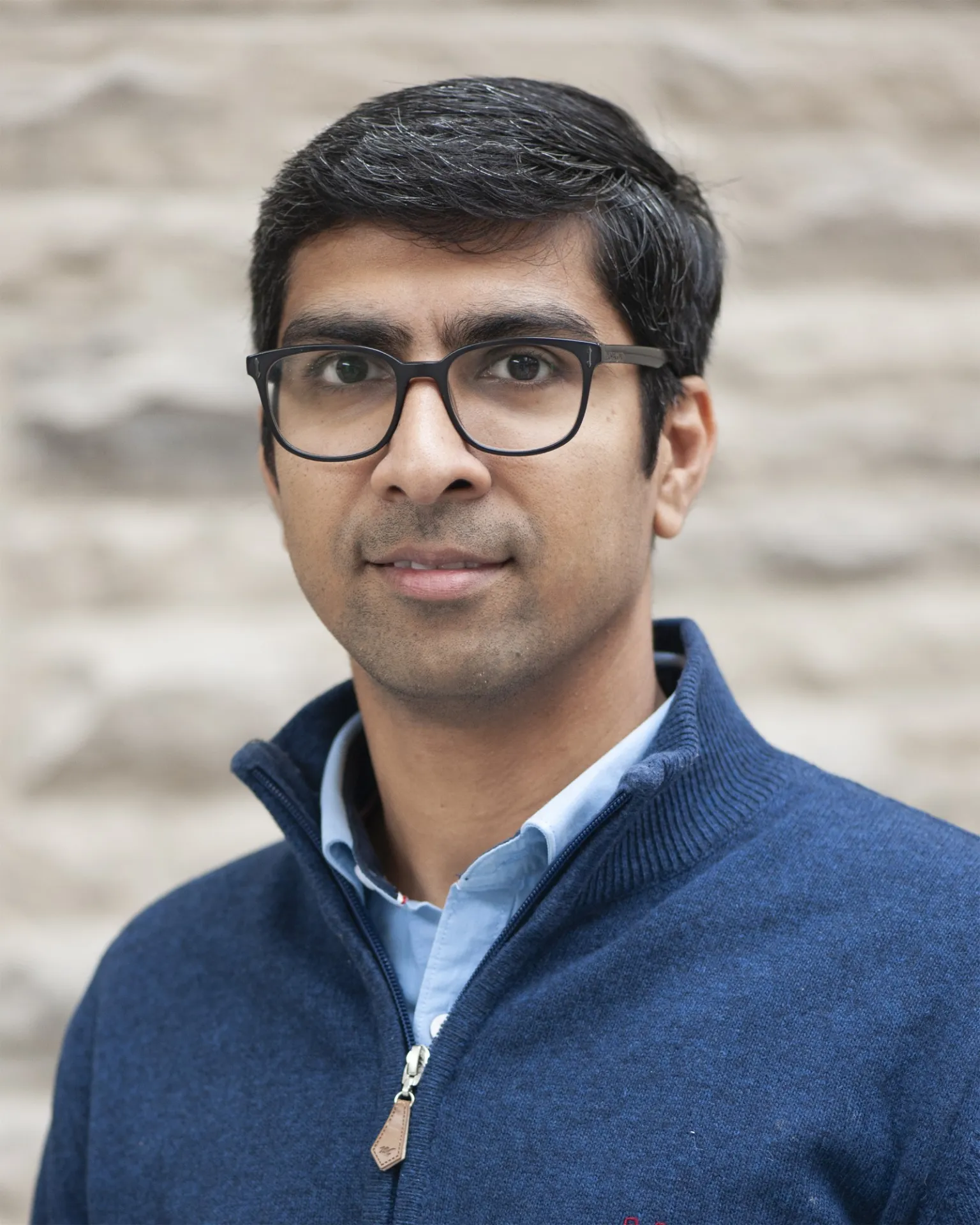
Dr. Bhavani Rao R.
Dr. Bhavani Rao R. is the Dean of the School of Social and Behavioural Sciences at Amrita Vishwa Vidyapeetham, a top-ranked University in India. She is also the Director of two Research Centers: Amrita Multi-Modal Applications using Human Computer Interactions (AMMACHI Labs) and the Center for Women’s Empowerment and Gender Equality. She has been appointed as India’s UNESCO Chair on Gender Equality since 2016, and has served as the Coordinator of the Gender Equality & Women's Empowerment Working Group of Civil20, the official Engagement Group of G20 dedicated to civil society. Since 2009, she has spearheaded numerous field and research projects, funded by both international and national institutions, including UN agencies and the Government of India. Her work is centered upon empowering and enhancing the resilience of vulnerable communities, with a special focus on women and girls in rural areas. This empowerment is achieved through the provision of vocational and life skills, supported by cutting-edge technologies, including AI, robotics, haptics and virtual reality. To this day, more than 300,000 women have benefited from these projects in both India and Africa. Dr. Bhavani's work also includes engaging men for gender equality, and she has pioneered the training of over 30,000 paramilitary and police personnel in India on mental health and gender conversations. She is the author of over 100 publications and patents, including two books published with UNESCO ("Braided River: the Universe of Indian Women in Science" and "Transforming Mentalities: Gender Masculinities in India"). Her significant contributions to the field have earned her numerous awards and recognitions.
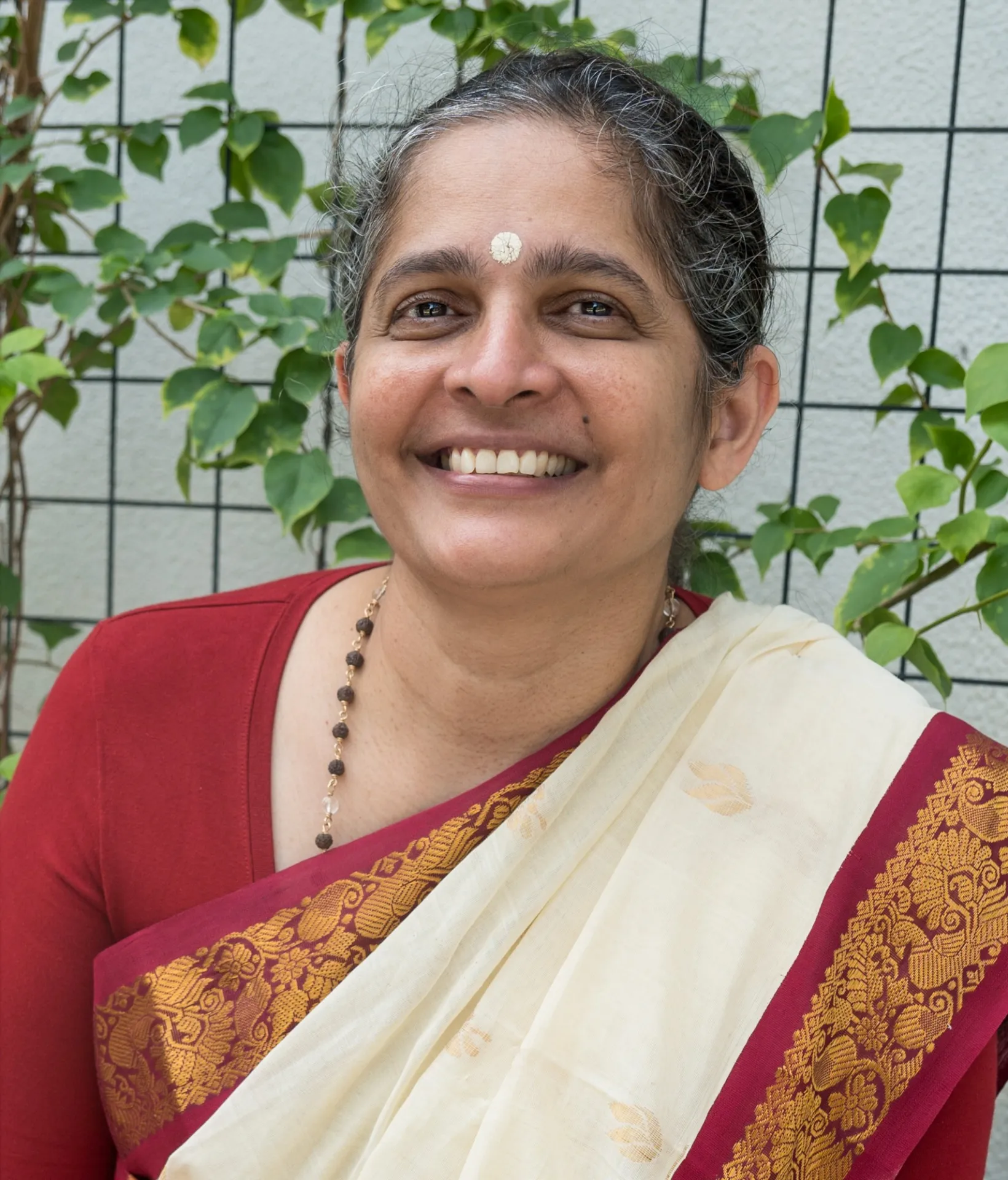
Dr. Aseel Al Shawareb
Dr. Aseel Al Shawareb is an accomplished educator and researcher with over 20 years of
experience in higher education and educational leadership. Currently an Associate Professor at the University of Petra in Amman, Jordan, she specializes in early childhood education and
educational psychology. She holds a PhD in Educational Psychology from Amman Arab
University for Graduate Studies, a Master's degree in Psychology, and a Bachelors in
Mathematics.
Dr. Al Shawareb has excelled as an administrator and academic, having served as Head of the Educational Science Department at the University of Petra from 2015 to 2022. Her responsibilities include curriculum development, teacher training, and quality assurance. Her contributions extend beyond academia, with consultancy roles for organizations such as USAID, UNICEF, and the Ministry of Education in Jordan. She has also provided expertise in early childhood programs, teacher training, and strategic educational planning.
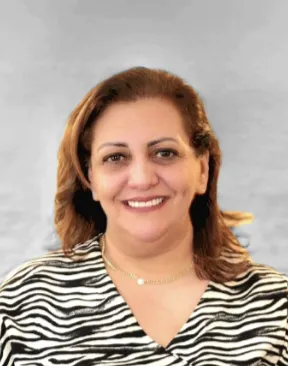
João Paulo Candia Veiga
Professor of Political Science and International Relations at University of São Paulo and senior researcher at Center for Artificial Intelligence (C4AI) and CIAAM (Center of Artificial Intelligence and Machine Learning) in São Paulo, Brazil.
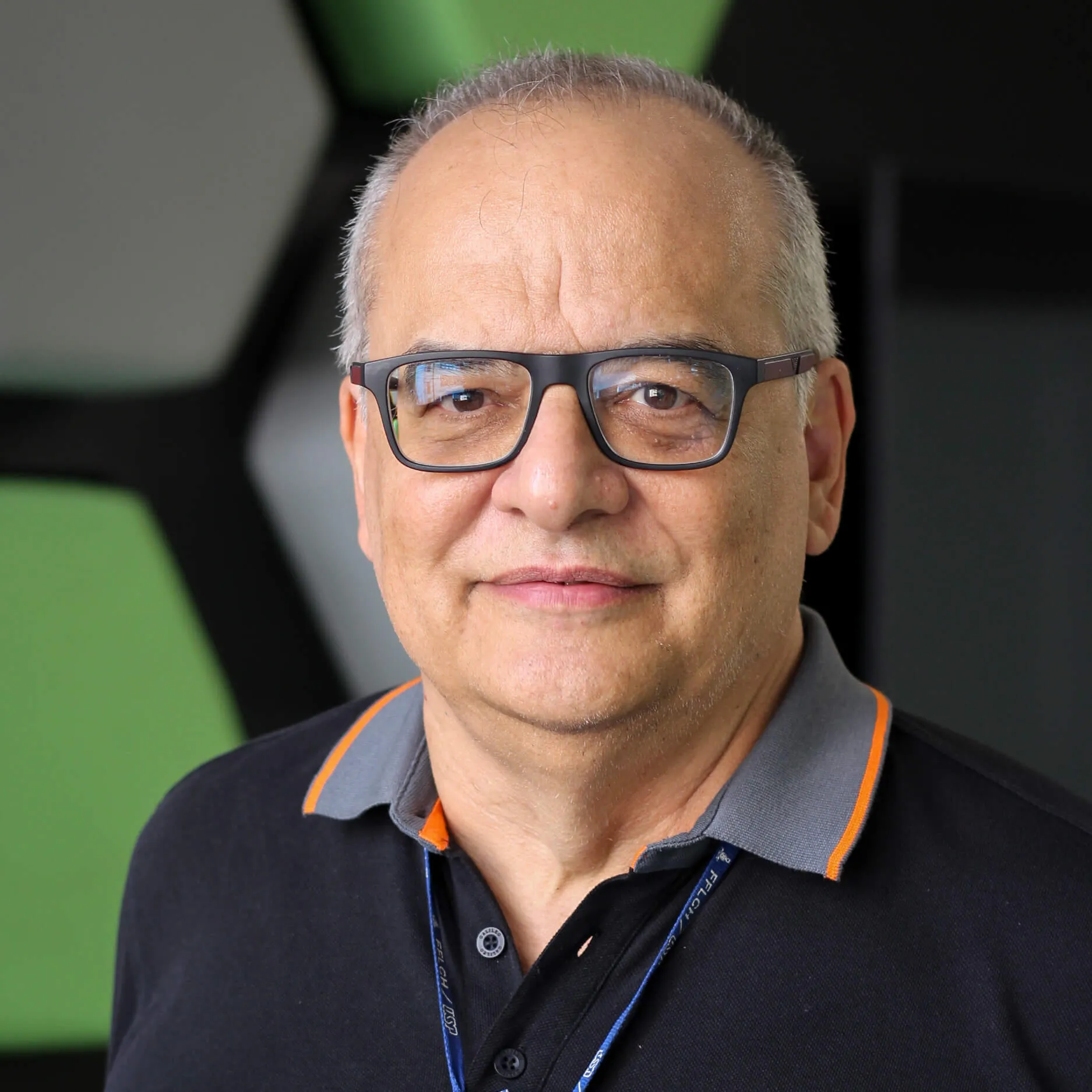
Erik Voss
Erik Voss is Assistant Professor of Applied Linguistics and TESOL at Teachers College, Columbia University. His research focuses on the development of artificial intelligence and information technologies for second language learning and assessment and language assessment validation research. He is a member of the executive board for the International Language Testing Association (ILTA), Editor-in-Chief of NYS TESOL Journal and an Associate Editor for Language Assessment Quarterly (LAQ). Professor Voss organizes the annual Artificial Intelligence Research in Applied Linguistics (AIRiAL) conference at Teachers College.
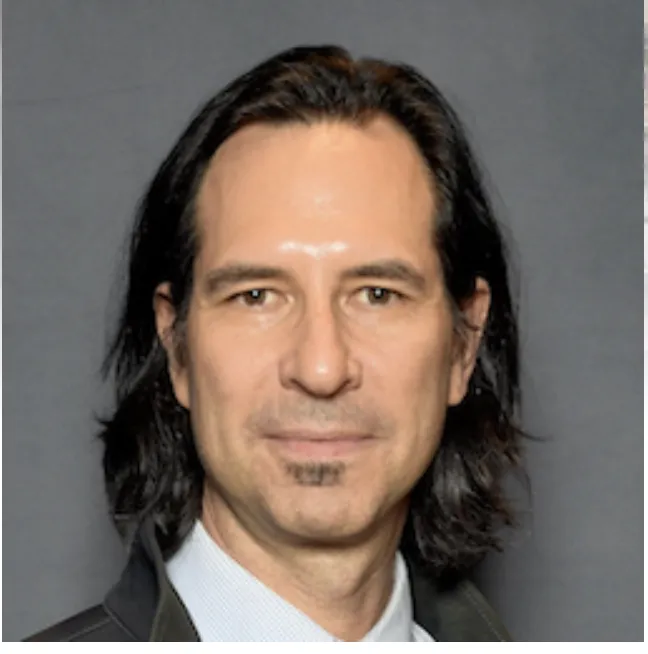
Ayan Dalmia
Ayan is a high school student passionate about bringing younger perspectives to the AI-Education Task Force. His background includes wildfire research aimed at improving localized predictions to mitigate disaster impacts. He is also experienced with competitive mathematics, and several years of math teaching, and he looks forward to exploring the implications of these skills in the AI field. Furthermore, he is an Eco Ambassador at Columbia University and has done work in Millburn and throughout New Jersey on part of the Millburn Climate Action organization, as he cares deeply about sustainability and allocating effort and resources to saving the environment.

FII Columbia Education Report:
/sites/csd.columbia.edu/files/content/FII%20Columbia%20Education%20report%20.pdf