
AI & Healthcare - Task Force Members
Explores how AI is transforming healthcare delivery, workforce needs, and public health systems, with a focus on responsible adoption and EMDE contexts.
Dr. Nima Schei (Co-Chair)
Dr. Nima Schei, MD, is a neuroscientist, and AI innovator pioneering "Alternative Intelligence." Creator of BELBIC (2003), the first emotion-based decision-making system for machines, he founded multiple AI ventures including Hummingbirds AI and BEL Research. Specializing in bio-inspired AI systems, Dr. Schei has developed over 400 industrial applications across finance, robotics, cybersecurity, and healthcare. A leader in conscious AI development through roles with the Miami AI Club and National Applied AI Consortium, he is committed to ethical AI that respects human potential. By integrating expertise from AI, medicine, and neuroscience, Schei advances innovative technologies like Guacamole's edge-based facial authentication. His work is driven by a vision of emancipating humanity through a deeper understanding of natural intelligence, with a focus on creating positive global impact.
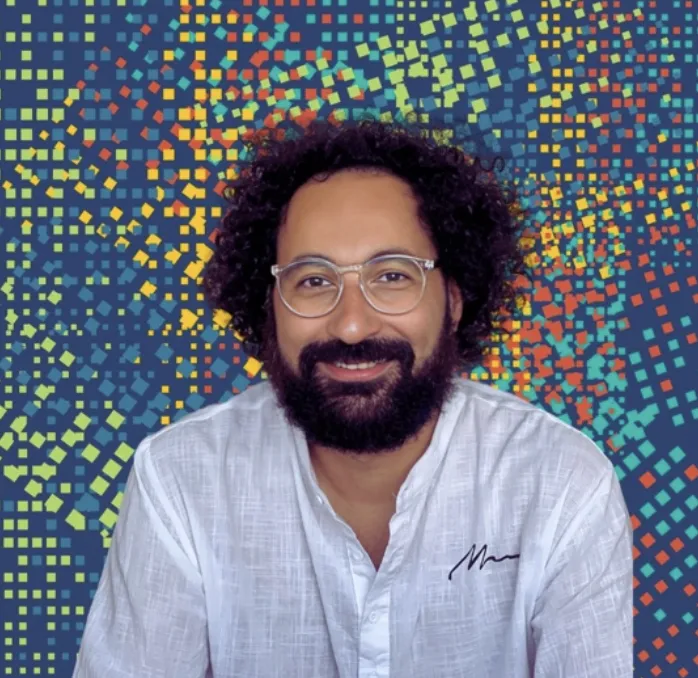
Dr. Abdulelah Alhawsawi (co-Chair)
Dr. Abdulelah Alhawsawi is an accomplished and resourceful patient safety leader with many years of experience in healthcare systems. He is the CEO and Co-Founder of NOVO Genomics and the founding Director-General of the Saudi Patient Safety Center (SPSC) and MOH Advisor on Patient Safety (2016–October 2020). He was instrumental in establishing SPSC as a WHO Collaborating Center for Patient Safety Policies and Strategies (one of only five WHOCCs in the world in this field). He holds dual certification (American - Canadian) in general surgery with sub-specialties in transplant and hepatobiliary surgery.
He is a consultant to several national and international quality and safety organizations and recently became a board member and vice president of the Global Sepsis Alliance (GSA). He was part of the Expert Panel on the 3rd Global Patient Safety Challenge of the WHO. He chaired the organizing committee for the 4th Global Ministerial Summit on Patient Safety in Jeddah, Saudi Arabia, in 2019. Dr. Alhawsawi was instrumental in making patient safety a G20 priority for the first time in Saudi Arabia's 2020 G20.
Currently, Dr. Alhawsawi is part of the Joint Commission Resources & WHO’s Global Patient Safety Action Plan.
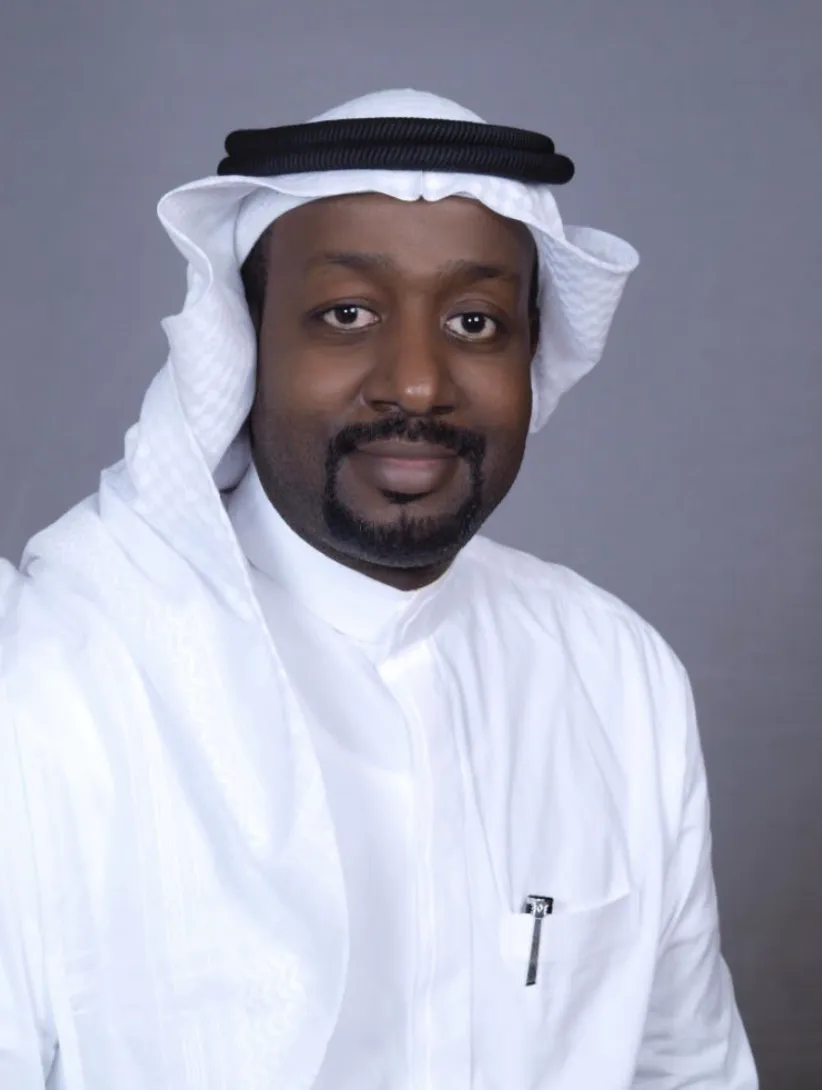
Prof. Megan Coffee
Prof. Megan Coffee, MD, PhD is an infectious diseases (ID) physician, on faculty at NYU Grossman School of Medicine and an attending at Bellevue Hospital in New York City. Her research focuses on machine learning approaches to better diagnosing and responding to emerging and neglected diseases, including mpox, tuberculosis, Chagas, and vaccine preventable diseases. She also teaches on global outbreaks at Columbia University and is an advisor on communicable diseases at the International Rescue Committee (IRC), where she has worked on Ebola response. Antimicrobial resistance, and many other outbreaks in humanitarian crises and has represented the IRC at the UN, CDC, and WHO. She ran a tuberculosis unit at the general hospital in Port-Au-Prince, Haiti for years after the earthquake and continues to support telemedicine and caregiving through Ti Kay, an organization she and others in Haiti started. She completed her undergraduate and MD at Harvard University, her PhD (DPhil) at Oxford University in mathematical modeling of infectious diseases, her internal medicine residency at Massachusetts General Hospital and her ID fellowship at the University of California at San Francisco.
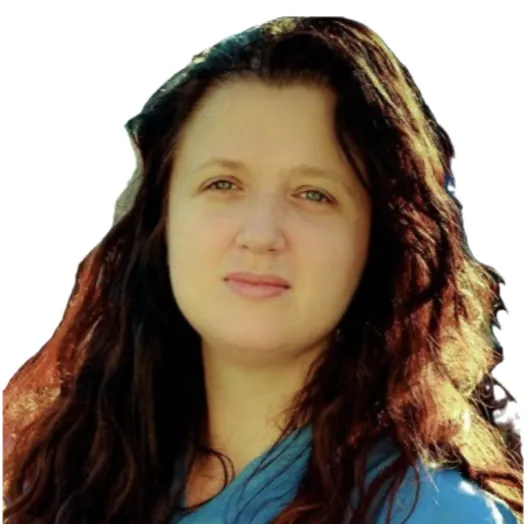
Dr. Mohamed Salah Amine Benouar
As a Data Science & AI lecturer in the University of Doha for Science & Technology, Mohamed Salah Amine Benouar has engaged in diverse academic projects that span several fields. His academic endeavors include extensive work in the computational prediction of protein 3D structures, developing diagnostics models for critical diseases such as breast cancer and melanoma, and developing AI-driven solutions in the fintech sector, with a particular focus on predicting non-performing loans and detecting fraudulent transactions in credit card operations. He is also currently involved in an AI-driven project focused on optimizing food waste management, specifically tailored to address Qatar's unique needs.
His academic background empowers him to seamlessly blend top tier applied academic teaching with the practical application of academic theory in real-world scenarios, bridging the gap between knowledge and impactful innovation.
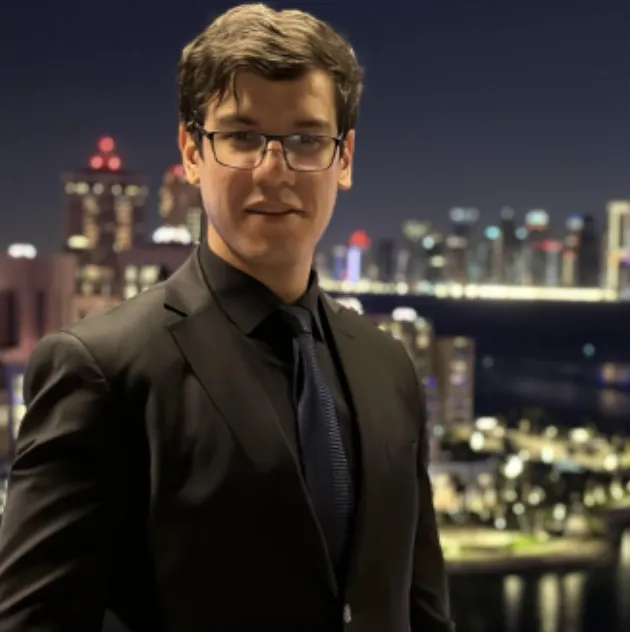
Prof. Paulo Mazzoncini de Azevedo Marques
Prof. Paulo Mazzoncini de Azevedo Marques is a full-time Associate Professor of Medical Physics and Biomedical Informatics with a tenure position at the Department of Medical Imaging, Hematology and Oncology, University of Sao Paulo (USP), Ribeirao Preto Medical School (FMRP) Brazil. He received his B.Sc. and M.Sc. degrees in Electrical Engineering in 1986 and 1990, respectively, and his Ph.D. in Applied Physics in 1994 at the University of Sao Paulo. He had a research associate position at the University of Chicago in 2001, where he worked on medical image processing for computer-aided diagnosis (CAD) and content-based image retrieval (CBIR) under the supervision of Professor Kunio Doi. His main area of activity is artificial intelligence applied to healthcare.
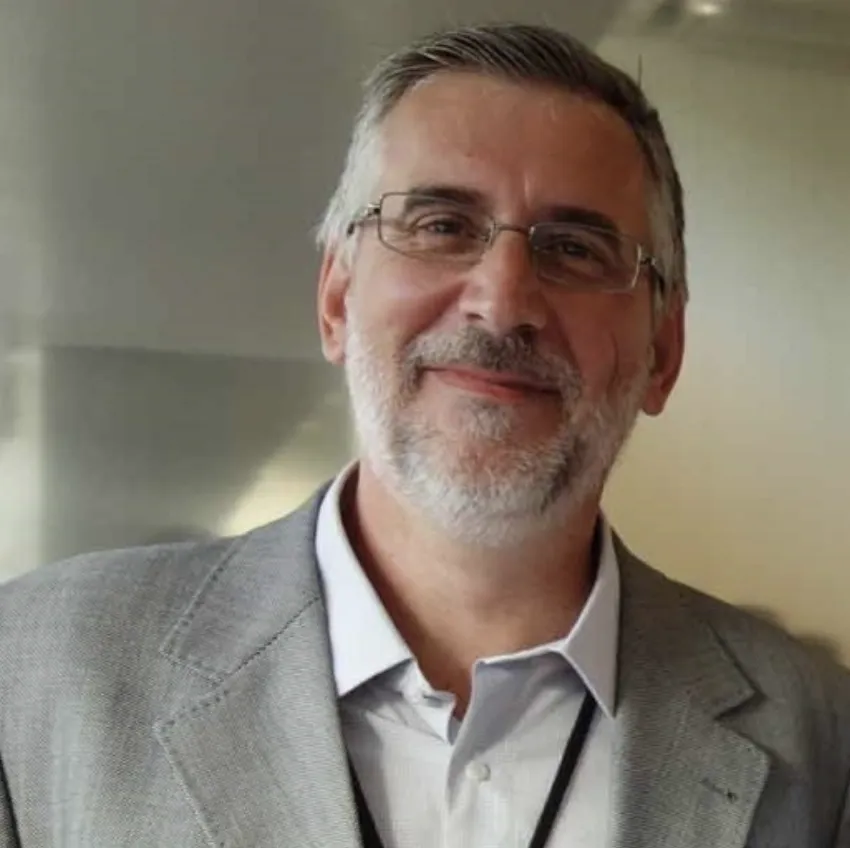
Prof. Ansaf Salleb-Aouissi
Prof. Ansaf Salleb-Aouissi is a senior lecturer in the discipline of computer science at Columbia University, specializing in artificial intelligence. As founder and director of the PRAISE Lab (Practice and Research in AI for Science and Education), she leads innovative research at the intersection of AI, education, and scientific applications.
With over a decade of experience teaching AI at Columbia University, Ansaf has educated hundreds of students annually and developed the AI Micromasters program on EdX, reaching more than 250,000 learners across 200 countries since 2017. Her commitment to AI education extends beyond academia through Aiphabet Inc., a non-profit organization she founded to provide free, quality AI education to teens and pre-college students.
An accomplished researcher with over 50 peer-reviewed publications, Ansaf's work has earned recognition including the Eighth Symposium on EAAI New and Future AI Educators award, best paper award at EGC 2008, and the NIH-NICHD Decoding Maternal Morbidity Data Challenge. Her academic journey began with an engineering degree in computer science from USTHB in Algeria, followed by graduate studies at the University of Orleans, France, and post-doctoral research at INRIA Rennes.
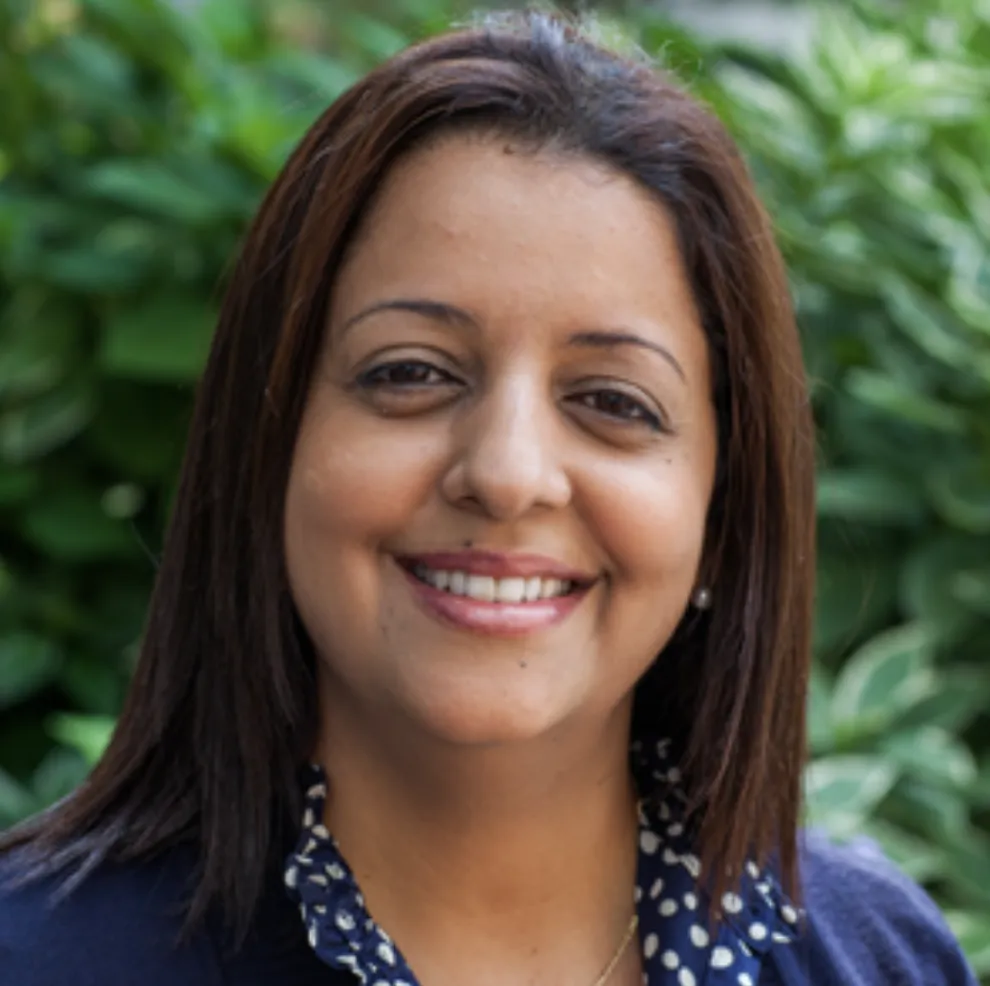
Prof. Farah Shamout
Prof. Farah Shamout is an Assistant Professor of Computer Engineering at NYU Abu Dhabi, where she leads the Clinical Artificial Intelligence Lab. She is Associated Faculty at NYU Tandon (Computer Science and Biomedical Engineering) and Affiliated Faculty at NYU Langone Health (Radiology). She is interested in developing machine learning methods and systems for real-world multi-modal applications related to cancer, brain health, and women’s health. Dr. Shamout completed her DPhil in Engineering Science at the University of Oxford as a Rhodes Scholar, where she focused on developing early warning models using electronic health records to predict clinical deterioration. She worked on global data commons and digital health policy during her time at Oxford, and was awarded the Campus Life Faculty Leadership Award at NYU. Dr. Shamout teaches in executive-level AI and data science courses, such as the UAE National Artificial Intelligence Program.
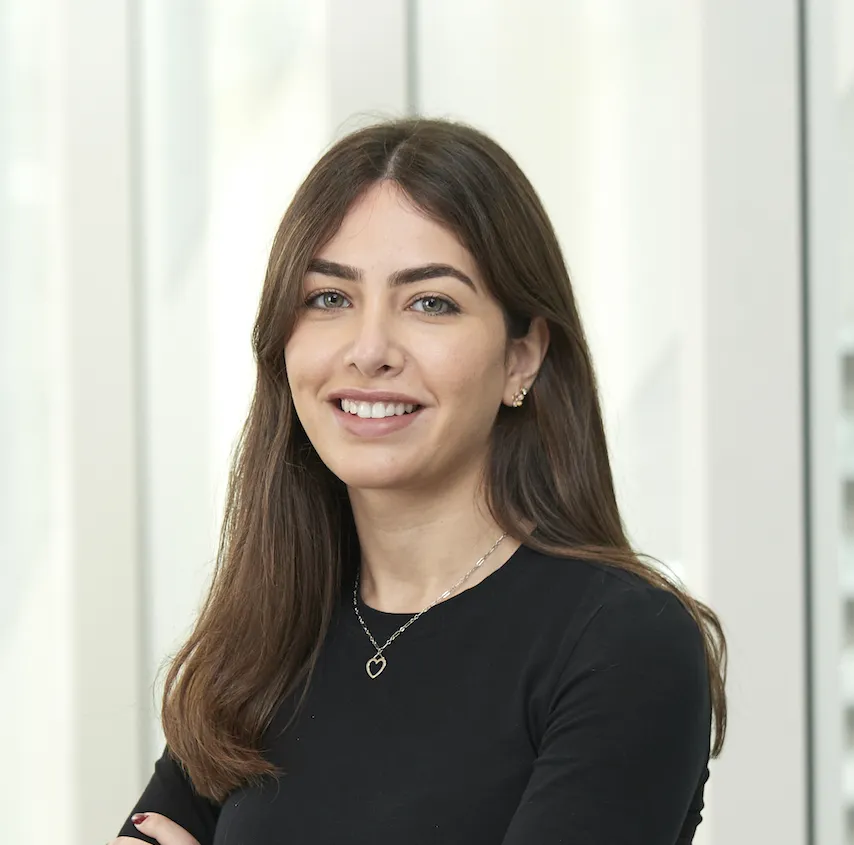
Mawahib Wang
Ms. Mawahib Wang is the Chief Nursing Officer at the Ministry of Defense Health Services, overseeing 25 hospitals with approximately 15000 nurses. She graduated from Walden University in Minneapolis, Minnesota with a Master's Degree in Healthcare Management and Leadership. She has extensive experience in both clinical and managerial areas. Her areas of expertise include critical care nursing and leadership. Ms. Mawahib Wang introduced the Magnet Recognition program to the Director of Nursing in all Eastern Province Military Hospitals and served as Chairperson on the Nursing Executive Committee. Most recently, she has been involved with the National Transformational Program 2030 at the national level to assist with the planning of nursing pathways.
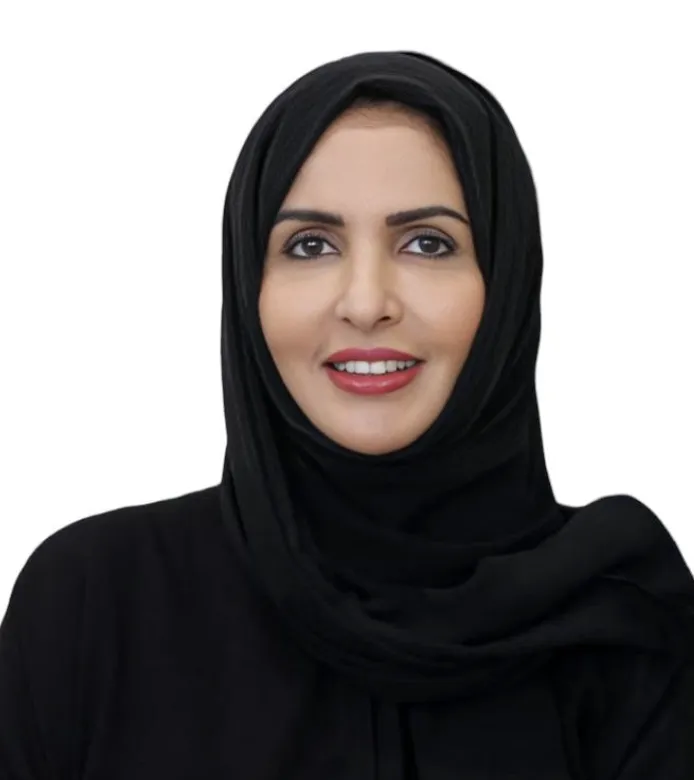
Prof. Jonathan Wareham
Prof. Jonathan Wareham is Professor/Catedrático of Information Systems of ESADE Business & Law Schools, Ramon Llull University. He previously served as Dean Faculty & Research and Vice Dean Research. His current research focuses on the Deep Tech, Scientific Computing, Scientific Policy, and how these are influencing the business world (e,g, Life Science and Energy.) My research has been published/forthcoming in journals such as Organization Science, Decision Sciences, MIS Quarterly, Communications of the ACM, IEEE Transactions, IEEE Computer, Journal of the American Society for Information Science and Technology, and others.
You can download the Healthcare report here:
/sites/csd.columbia.edu/files/content/Healthcare%20Report.pdf