
AI & Ethics - Task Force Members
Addresses the ethical, societal, and governance challenges raised by AI—including fairness, accountability, transparency, and human-centered safeguards.
Prof. Cristina Godoy Bernardo de Oliveira (Co-Chair)
Cristina Godoy Bernardo de Oliveira is the Head of the Department of Legal Theory and a professor at the University of São Paulo (USP) Law School in Ribeirão Preto, where she teaches courses on Artificial Intelligence and Law, Smart Contracts and Legal Analytics, and Political Theory. She is the Principal Investigator at the USP-IBM-FAPESP Center for Artificial Intelligence (C4AI) and a member of the Management Committee of USP's Center for Artificial Intelligence and Machine Learning. Dr. Oliveira is also a consultant in cybersecurity at Meira & Godoy Regulatory Consulting, based in Paris, and a member of the Brazilian Association of Technical Standards (ABNT) Working Group, contributing to the integration of ISO AI standards in Brazil.
Her research focuses on regulatory and ethical aspects of artificial intelligence, cybersecurity, algorithmic transparency, AI governance, energy transition and AI, smart contracts and tokenized assets, data protection and privacy, and security challenges in superapps. She coordinates the TechLaw Research Group and is part of the Understanding Artificial Intelligence initiative at USP’s Institute for Advanced Studies (IEA-USP).
Dr. Oliveira holds an LL.B. and a Ph.D. in Law from USP, with postdoctoral research in ethics at Université Paris 1 Panthéon-Sorbonne. She has also been an Academic Visitor at the University of Oxford and a Visiting Professor at the International Research Centre on Artificial Intelligence under the auspices of UNESCO (IRCAI UNESCO). Widely published, her interdisciplinary work advances inclusive, ethical, and human-centric AI systems.

Dr. Louis-Marie Clouet
Dr. Louis-Marie Clouet holds a doctorate in economics and is a graduate of SciencesPo Paris. Since September 2023, he is Executive Director - Foresight at the Strategy and Development Department of the Catholic University of Lille. From 2009 to 2011, Louis-Marie Clouet directed a Franco-German foresight research project on the Future of Europe, at the Institut Français des Relations Internationales (IFRI). In 2011, he was Head of research in cross-cultural management, then Director of Research at ISIT Intercultural School. He joined the Catholic University of Lille in 2020 to launch the ECOPOSS transdisciplinary and transversal initiative, which crosses future studies and ethics: its ambition is to “raise the future”, by making each person more aware of possible futures, by debating together about desirable futures, and by making people more engaged into the transitions that have to be invented. He is interested in the link between foresight, ethics, and decision-making in complex situations.
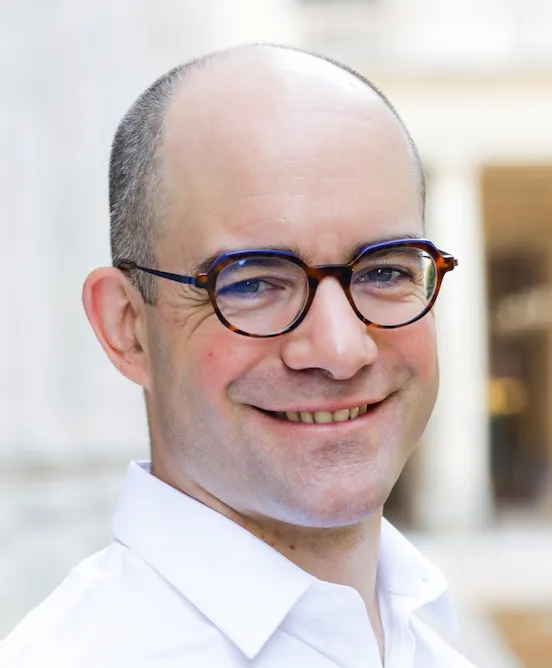
Mehdi Ghassemi
Mehdi Ghassemi is Director of Research at ISTC (Université Catholique de Lille), where he leads a multidisciplinary team exploring the socio-political implications of AI and digital media. He co-founded CEThicS, France’s first center dedicated to the ethical and political dimensions of AI-driven surveillance and coordinates the CNRS working group “Surveillance and Power.” His research focuses on socio-technical imaginaries of AI surveillance in France and the Middle East, examining media, governance, and ethics. His most recent works include Big Data et Influence : stratégie, design et éthique (Peter Lang) and « Le regard panoptique et l’art-surveillance : esthétique et politique du contournement » (TIC & Société).
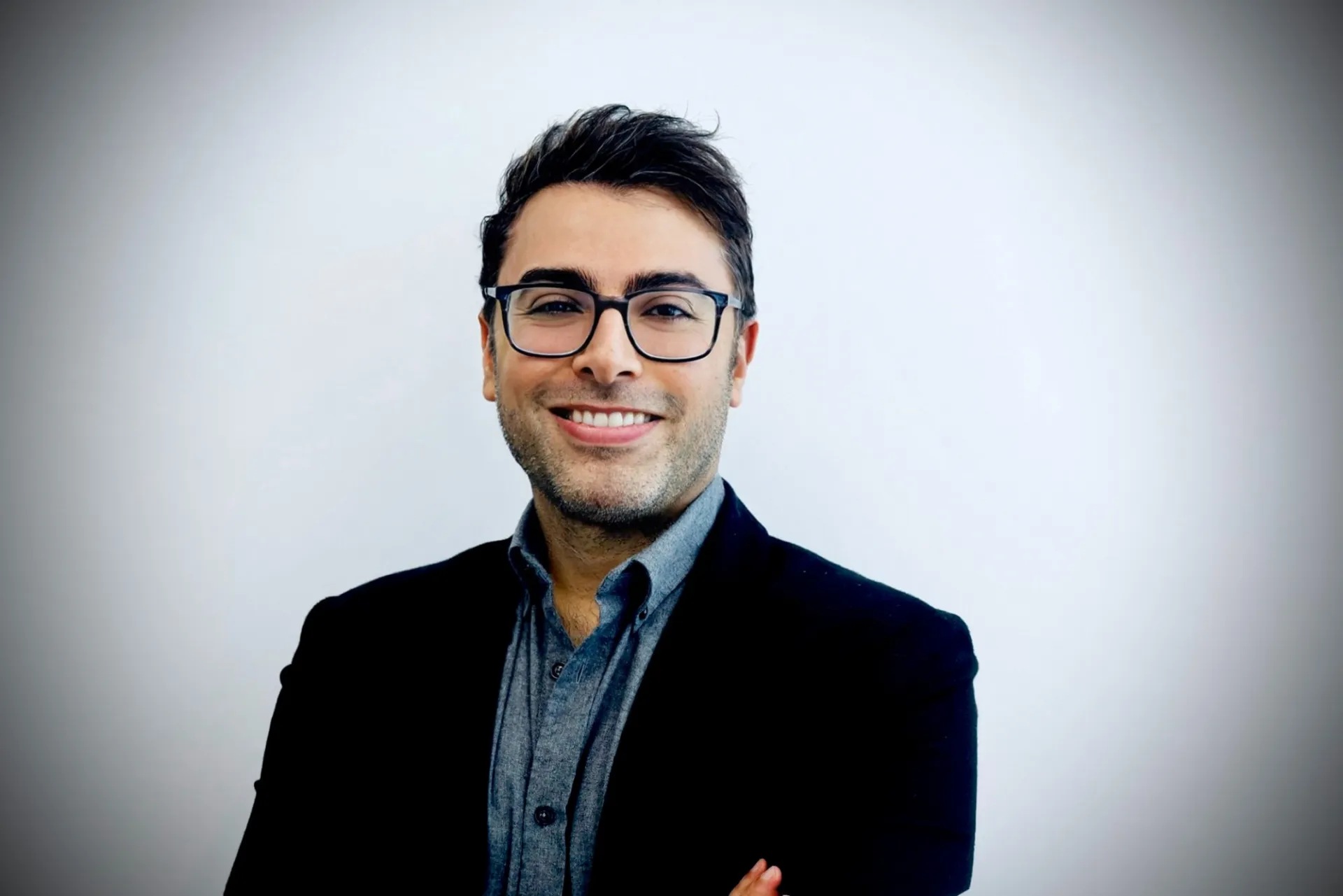
Prof. Alessandra Macedo
Alessandra Alaniz Macedo is an Associate Professor at the University of São Paulo, affiliated with the School of Philosophy, Sciences and Letters of Ribeirão Preto (FFCLRP), Department of Computing and Mathematics. Her research operates at the intersection of Artificial Intelligence, Computer Science, and Digital Health, with a strong interdisciplinary orientation. She focuses on multimodal information extraction and fusion, integrating heterogeneous data sources—such as medical images, speech signals, and clinical records—to develop intelligent and trustworthy decision-support systems. Her contributions span biomedical informatics, speech processing, computer vision, and human-computer interaction, particularly in applications with direct societal impact. She leads initiatives such as the SofiaFala project, which develops AI-driven assistive technologies for speech rehabilitation, supporting individuals with communication disorders, and her work consistently bridges scientific research with real-world deployment.

Thierry Magnin
Thierry Magnin is deputy president of the catholic university of Lille-France, physicist and theologian, member of the french academy of technologies and its ethical committee. He wrote many papers and books about ethics of digitalized technosciences, particularly « Towards an algorithmic civilization » (Bayard, 2021).
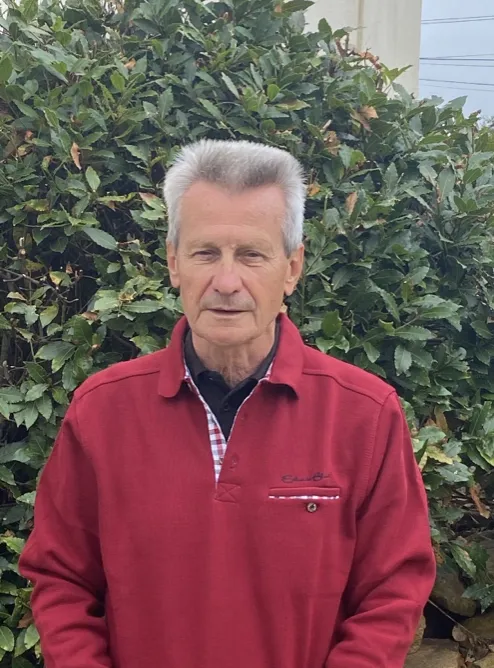
Prof. Scott B. Martin
Scott B. Martin (Ph.D., Columbia University) is Part-Time Associate Teaching Professor in the New School’s Graduate Program in International Affairs, Adjunct Professor at the School of International and Public Affairs at Columbia University, and Non-Resident Fellow at the Center of Artificial Intelligence (C4AI) at the Universidade de São Paulo. His most recent book is Labor Contestation at Walmart Brazil: Limits of Global Diffusion in Latin America (Palgrave, 2021), with João Paulo Veiga and Katiuscia Galhera. Current research explores labor relations at Amazon warehouses in Brazil and Mexico and community-labor-environmental alliances contesting externalities of Amazon distribution facilities in greater New York City. He is co-editing the research volume “Contesting the Contours of Global Amazon?,” bringing together scholarship on regulatory and social struggles around that company’s impact across four continents. His articles and reviews have appeared in Labor Studies Journal, Global Labour
Journal, and Perspectives on Politics, among other journals.
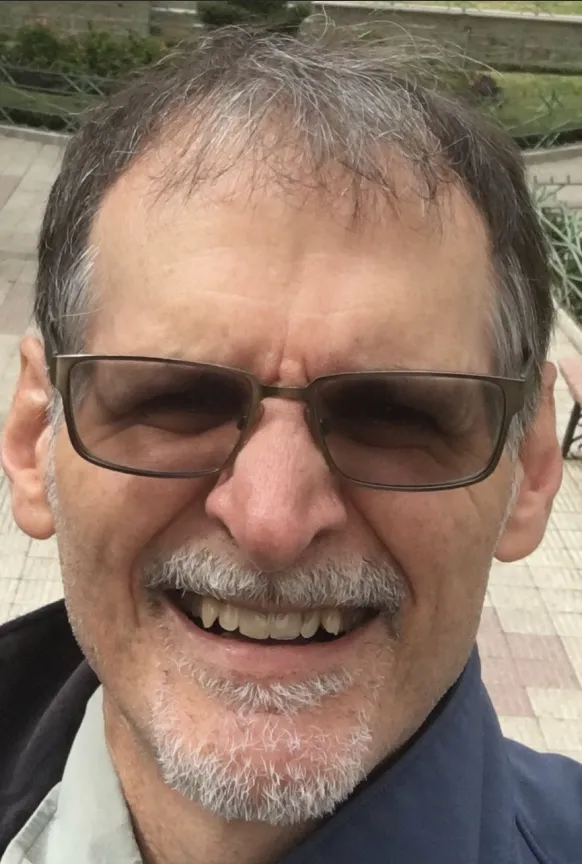
José Matheus Muniz
José Matheus Muniz is an active researcher in the regulation of AI in capital markets and is currently a PhD candidate at the University of São Paulo (USP) Law School in Ribeirão Preto, advised by Professor Cristina Godoy Bernardo de Oliveira. His research focuses on the use of agentic AI in the Brazilian capital markets.
As he is also a capital markets lawyer, he seeks to work at the intersection of academic research and professional practice in the field, closely monitoring sophisticated financial transactions and the constant regulatory changes occurring in the Brazilian capital market.
José also holds both an LL.B. and a Master’s degree from the University of São Paulo (USP). He wrote his master's thesis on regulatory sandboxes and the use of robo-advisors in investments.
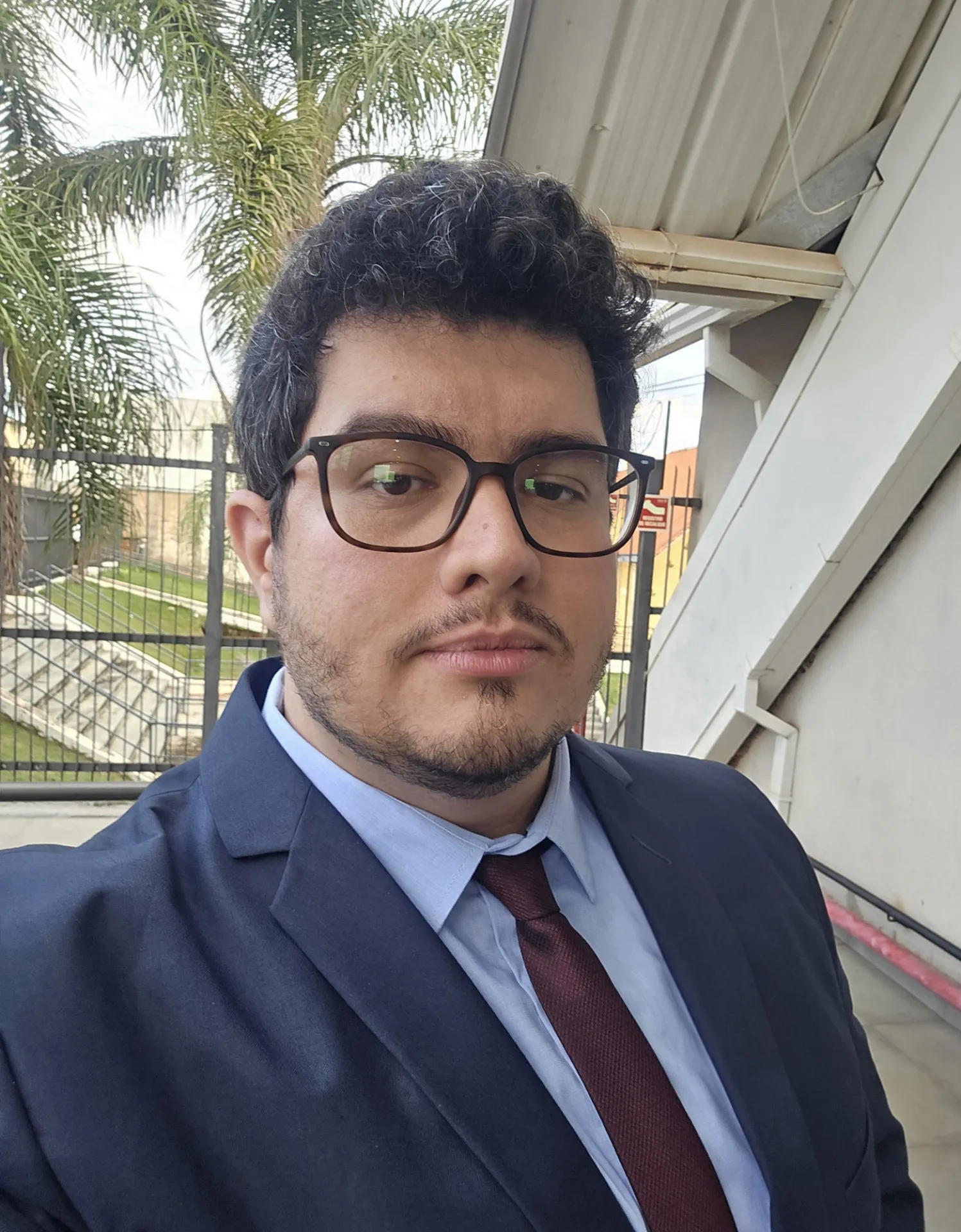
Dr. Telesia Kathini Musili
Telesia Kathini Musili lectures in the Department of Philosophy and Religious Studies at the University of Nairobi, Kenya, and is a research fellow at the University of South Africa. With a profound commitment to exploring the nuanced intersections of religion—both physical and virtual—ethics, media, and ecology, her scholarly work critically addresses contemporary issues impacting women and society. Her research interests extend to the ethics of artificial intelligence in academia and the ethical dimensions of religious violence. Telesia examines how these fields intersect to shape social dynamics, particularly within African societies. Her work seeks to illuminate the complexities of ethical decision-making in a rapidly evolving digital landscape, emphasizing the need for responsible engagement with technology in academic and religious contexts. Telesia holds a Doctorate in Religious Studies from Kenyatta University, Nairobi, Kenya, and a Masters in Bioethics from Atlantic International University, Honolulu, USA.
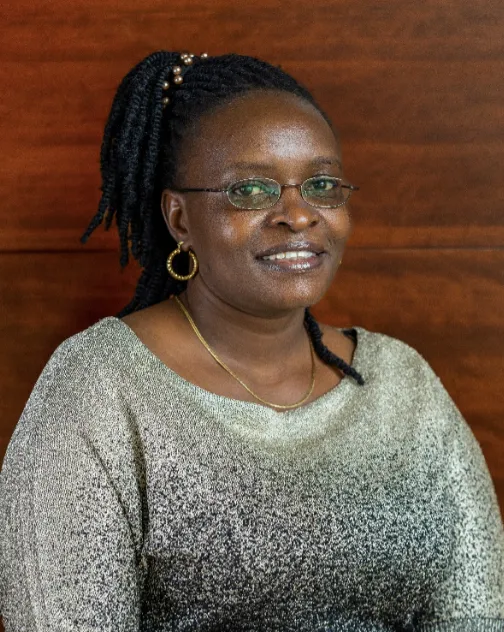
Dr. Nour Naim
Nour is an AI ethics specialist working at the intersection of academic research and industry practice. Her work focuses on bias, discrimination, and underrepresentation within global debates on AI governance and responsible AI in the MENA region. She has led projects that examine how AI systems can reinforce existing inequalities and has contributed to frameworks that promote fairness, accountability, and transparency. In the industry domain, she works on AI Governance, Risk and Compliance, helping organizations design and audit AI systems that are ethical, trustworthy, and aligned with human rights principles.
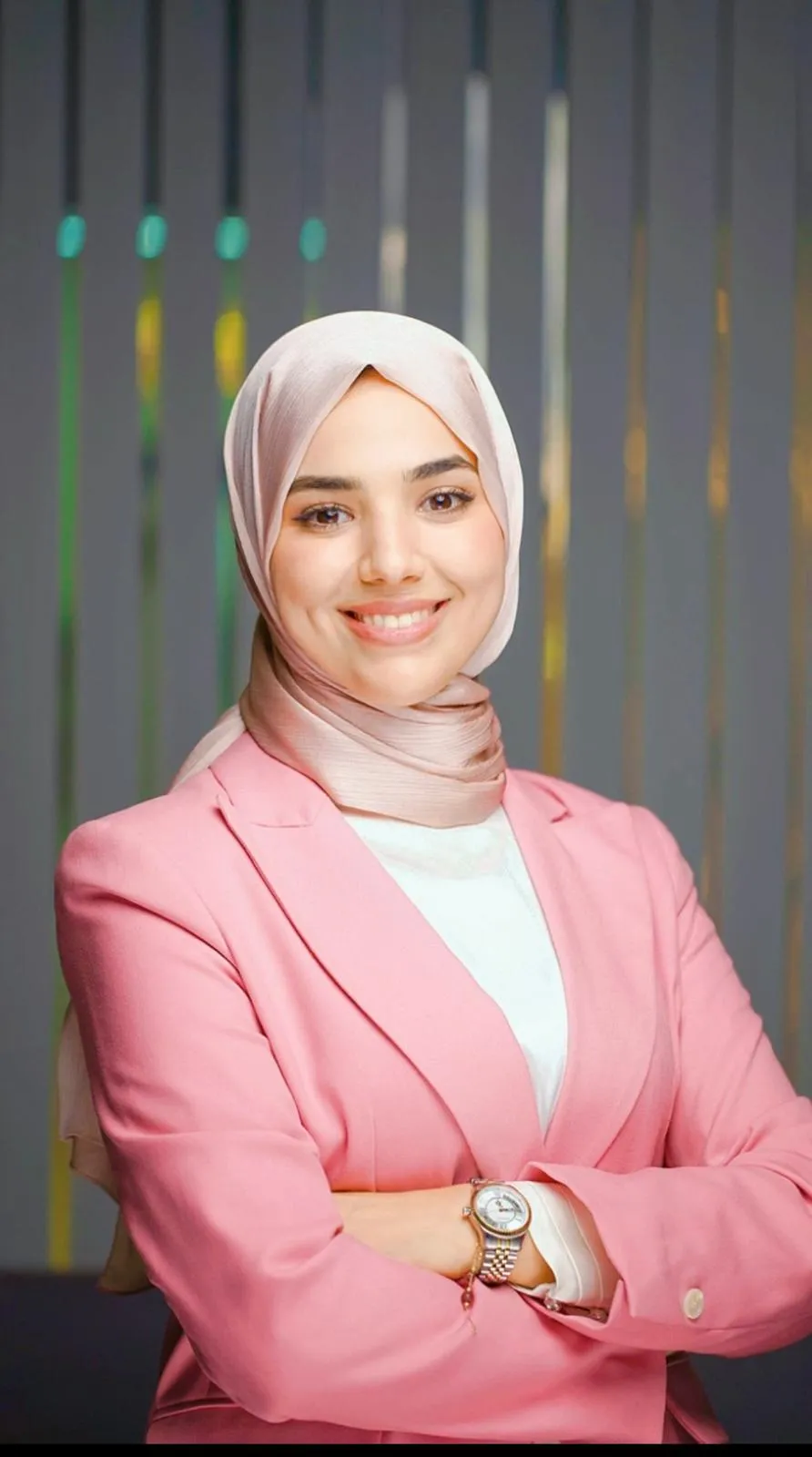
Dr. Tyler Reigeluth
Tyler Reigeluth has a PhD in Philosophy from the Université libre de Bruxelles in 2018 where he worked with the Algorithmic Governmentality FNRS-funded research project. After having carried out postdocs at the Université du Québec à Montréal, the University of Chicago, the Université de Grenoble-Alpes’ Insititute of Philosophy, within the framework of the Ethics&AI Chair – MIAI, he is currently assistant professor in Philosophy at the Université Catholique de Lille in the ETHICS laboratory. His research combines political theory and philosophy of technology and has focused most recently on the relationships between human and machine learning, as well as smart city discourse. He co-edited the book De la ville intelligent à la ville intelligible (2019), co-authored with Thomas Berns Ethique de la communication et de l’information (2021) and published L'intelligence des villes. Critique d'une transparence sans fin (2023).
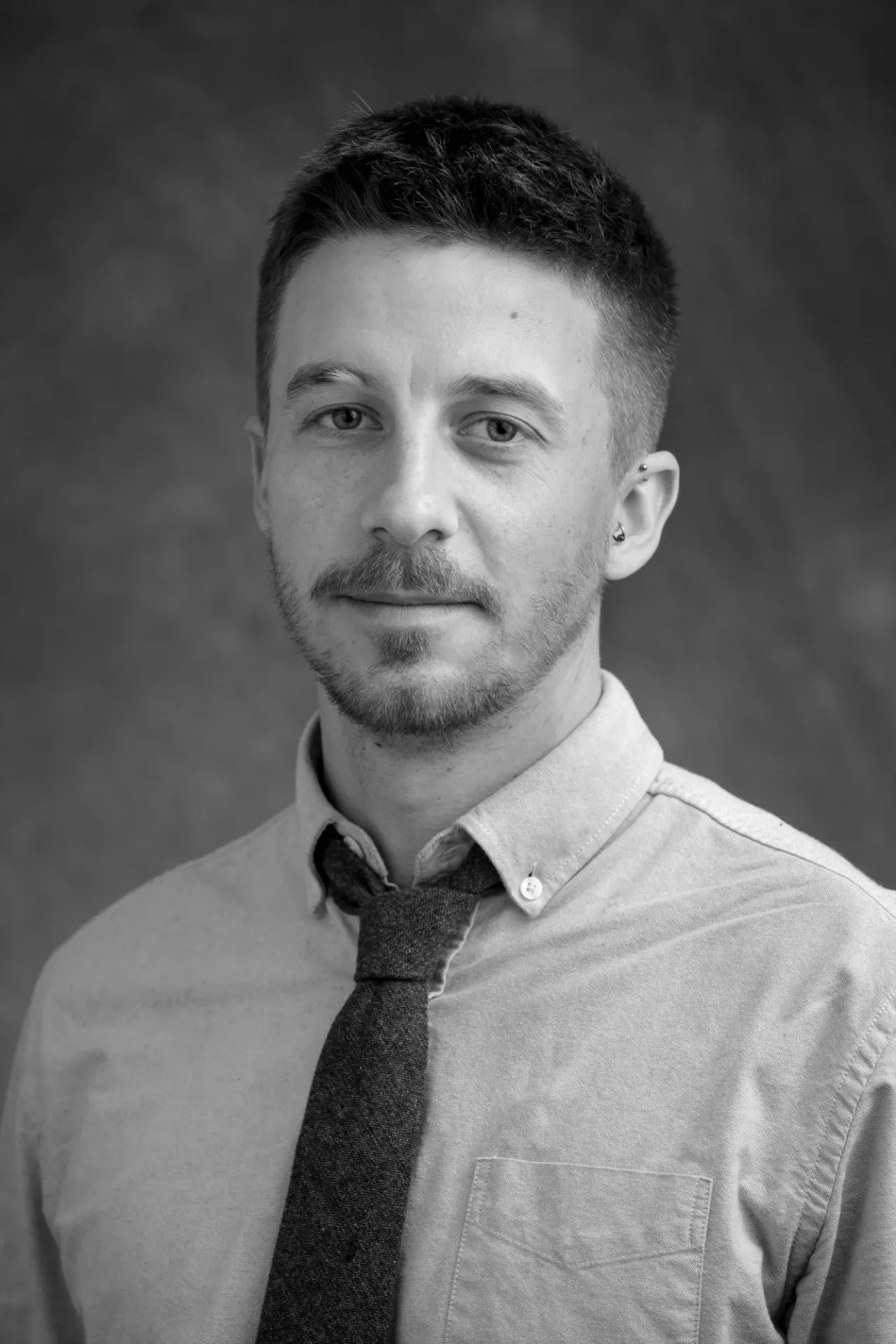
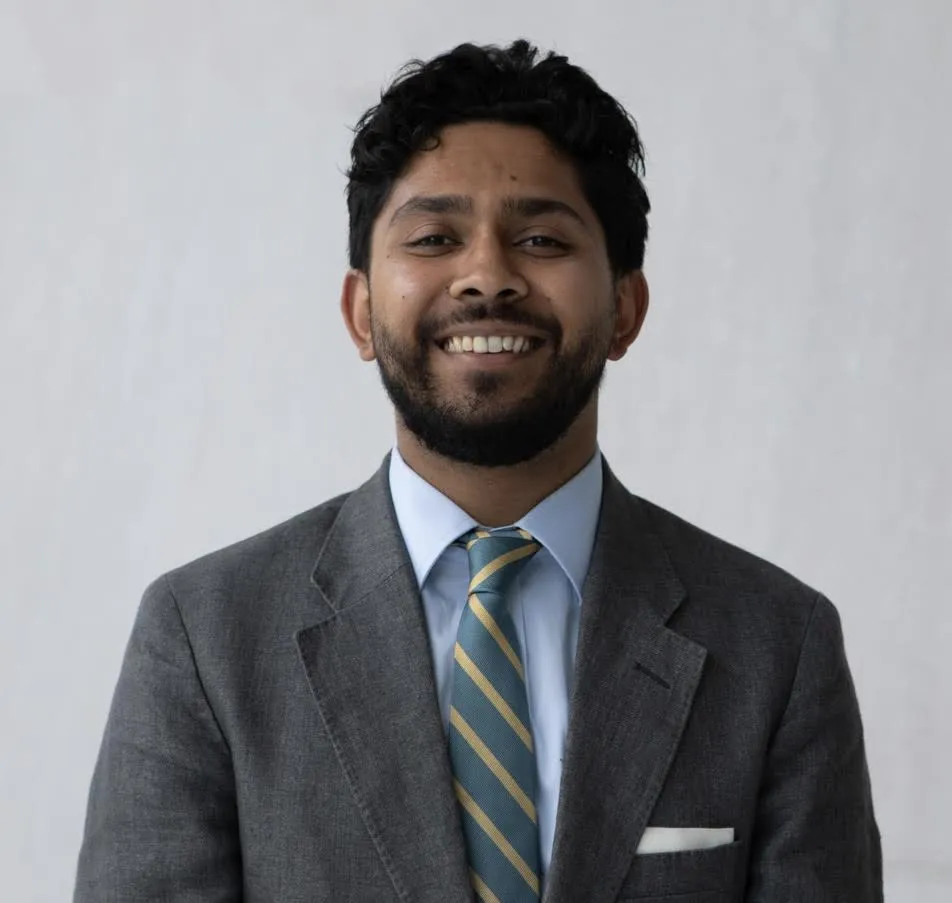
Yatin Jain - Research Assistant
Yatin Jain is a policy practitioner working at the intersection of environmental health, climate resilience, and sustainable cities. At CSD, Yatin is particularly interested in how human-centered design and AI can be integrated into essential public systems to create more equitable outcomes. He currently serves as an Expansion and Strategy Fellow at Noora Health, supporting their strategic scaling efforts into new global health systems. In his capstone, Yatin is working with Climate Resilience for All to design market shade solutions for women from extreme heat.
Previously, Yatin worked at the Center for Strategic and International Studies (CSIS) on the Indian States team, where he directly engaged with state governments on policy solutions and partnerships in health systems and energy grid decarbonization. Yatin also worked with the International Foundation for Electoral Systems, co-creating programming with election commissions across South Asia.
Yatin is completing his Master of Public Administration at Columbia University’s School of International and Public Affairs (SIPA). He holds a Bachelor of Arts in International Relations from the American University in Washington, D.C.
Ethics in the Age of AI Report
/sites/csd.columbia.edu/files/content/Ethics%20in%20the%20Age%20of%20AI.pdf